If you’d stepped into the Australian property market in 2016, you’d barely recognise it today.
To understand just how much has changed, we looked through our Herron Todd White Month in Review archives and revisited our 2016 market commentary from across the country.
Back then, a million-dollar home felt elite. Interest rates were “historically low.” Renovators were thriving. Regional towns were cheap. And Brisbane was still finding its feet.
Fast forward to 2026, and the landscape has shifted dramatically.
So, what actually changed over the past decade? Let’s rewind…
1. The $1 Million Club Went Mainstream
In 2016, Sydney stood alone. It was the only capital city with a median house price above $1 million. Melbourne was sitting at a comparatively modest $641,500.
Today, five out of seven capital cities have joined the club. Sydney’s median dwelling value now sits around $1.256 million.
What once felt “premium” is now the baseline in many markets.
2. Interest Rates: From “Low Forever” to Strategic Management
In 2016, rates were at 1.5%, and many assumed they’d stay low indefinitely.
We now know how that story played out.
After peaking at 4.35%, rates are currently sitting at 3.60% following three strategic cuts in 2025. Borrowers today are far more rate-aware, financially literate, and cautious than they were a decade ago.
Cheap money is no longer taken for granted.
3. From “Affordable” to “Impossibly Unaffordable”
In 2016, places like Bundaberg were known as affordable alternatives, with median prices around $270,000.
Now, prices have more than doubled to around $600,000. Affordability pressures became so severe that a new label emerged: “impossibly unaffordable.”
What was once a safety valve for buyers has become another pressure point.
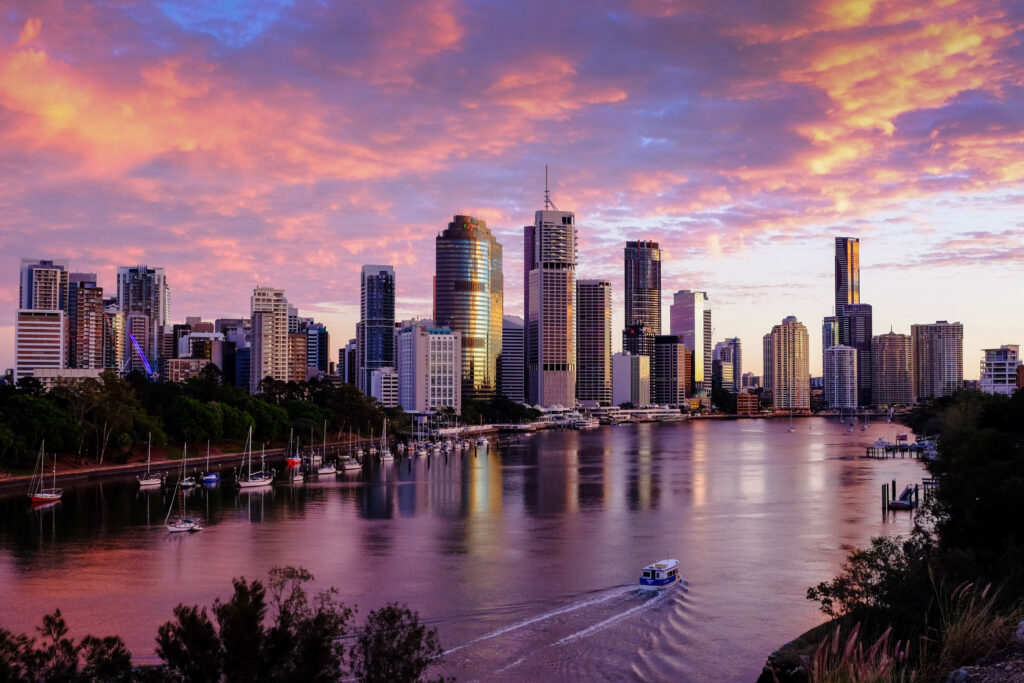
4. Brisbane’s Olympic Glow-Up
A decade ago, Brisbane was still shaking off the mining downturn and struggling to build national momentum.
Today, it’s a consistent top performer. The lead-up to the 2032 Olympics, combined with major infrastructure investment, has transformed the city’s profile.
Brisbane didn’t just catch up. It surged ahead.
5. The End of the Renovation Gold Rush
In 2016, “sweat equity” was the strategy. Buyers snapped up older homes, added paint and flooring, and created instant value.
In 2026, renovation costs have become a major barrier. Labour shortages, material prices, and compliance costs changed the equation.
Many buyers now joke that buying an established home feels like “getting the house for free and paying for the land.”
Renovating is no longer the easy win it once was.
6. Rental Markets Turned Inside Out
Back in 2016, Darwin was battling oversupply and falling rents.
Fast forward to today: vacancy dropped to around 0.7%. Inspections attracted 80+ people. Demand was described as “mind-blowing.”
This story has played out across many regional and capital city markets. Rentals shifted from surplus to scarcity.
7. Mining Towns: From Collapse to Comeback
After the mining boom, towns like Emerald and Rockhampton saw values fall by up to 80% from their peaks.
Today, these markets have stabilised and rebounded. Demand returned. Prices started rising again. Confidence followed.
It’s a reminder that property markets are cyclical, even in extreme cases.
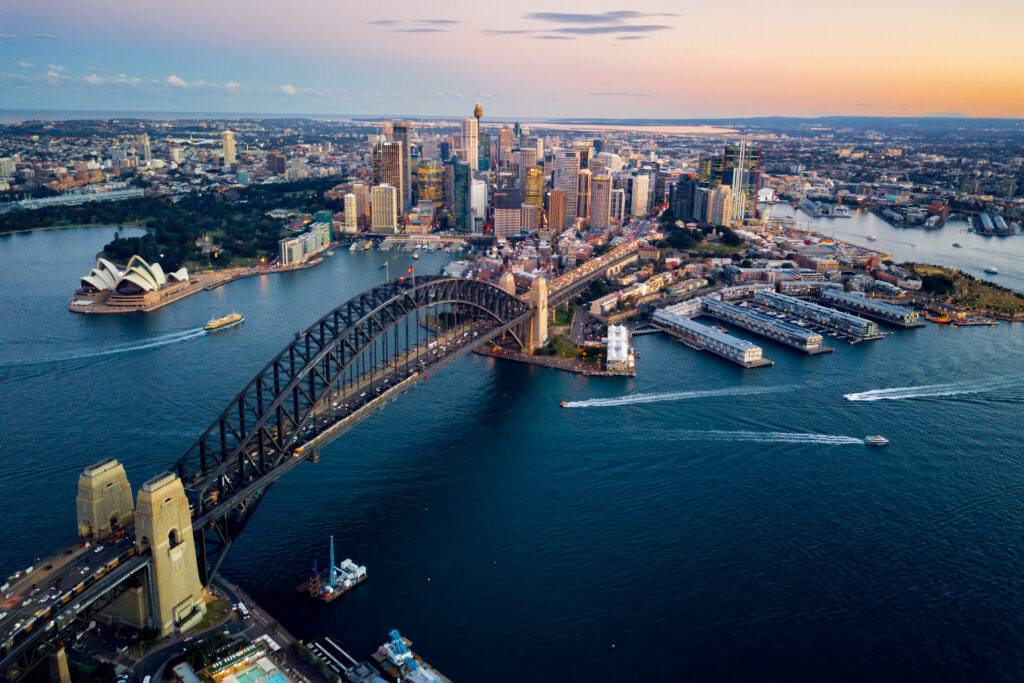
8. Sydney CBD: From Star Performer to New Reality
In 2016, Sydney’s CBD office market was booming. Vacancy was just 5.6%. Investors loved it.
Today, vacancy sits closer to 15.2%. Hybrid work is entrenched. Space requirements have changed. Tenant behaviour has shifted.
Commercial property hasn’t disappeared, but it’s being redefined.
9. Perth’s Rollercoaster Decade
In 2016, Perth was firmly in correction mode. Prices and rents were falling.
In 2026, it’s seen as a “flight to value” destination. Office sale rates rose 13.8%. Residential growth strengthened.
Few markets demonstrate long-term cycles as clearly as Perth.
10. Government Support Became Structural
In 2016, many first-home buyers skipped grants so they could buy established properties.
Now, Government schemes have become central to market activity. One in ten homes was purchased using the First Home Buyer Guarantee Scheme.
Policy settings now play a much bigger role in shaping demand.
So, What Does This All Mean?
Over the past decade, Australia’s property market has:
- Become more expensive
- More complex
- More regulated
- More competitive
- And more data-driven
At the same time, it has also become more resilient, more transparent, and more strategically managed.
Understanding where we’ve come from helps us better navigate what comes next.
And if the past ten years are any guide, the next decade will be just as transformative.