When inspecting rural properties, valuers often rely on what the land is telling them.
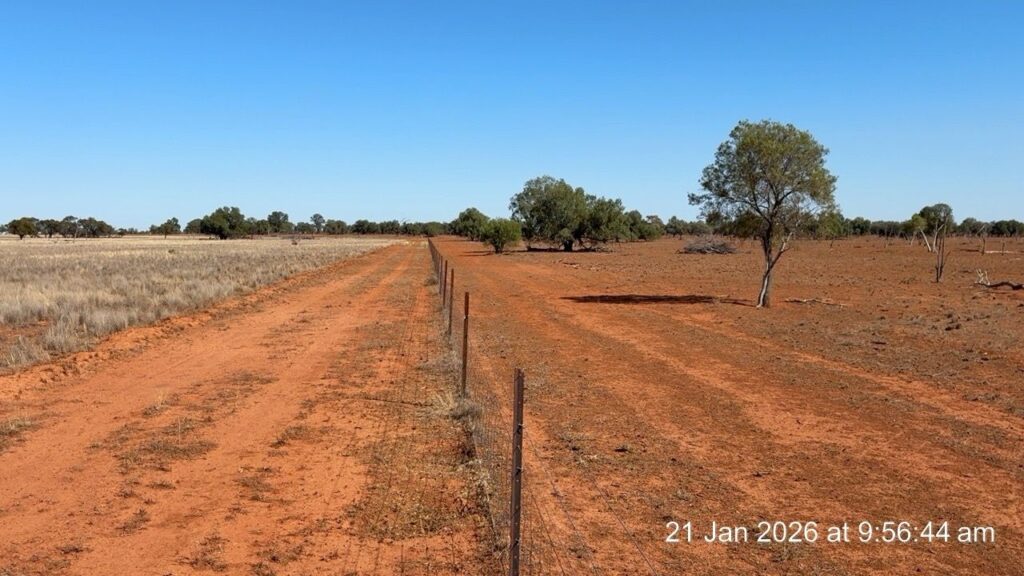
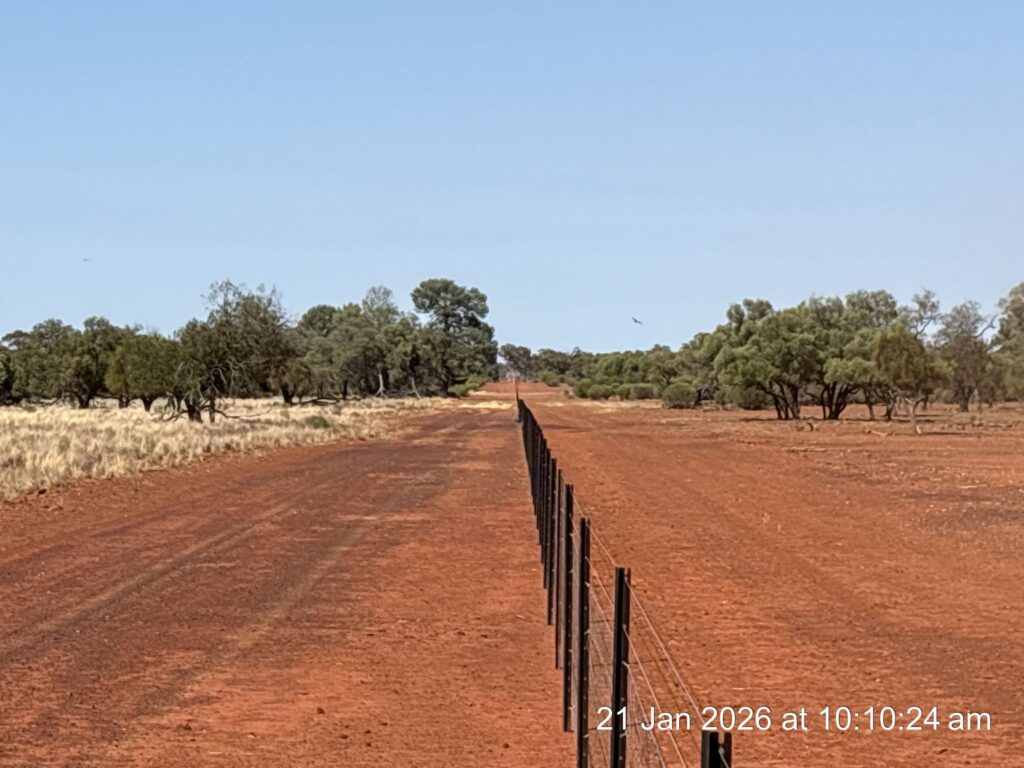
Recently, on a property in the Cobar region of western New South Wales, that story was visible along a single fence line. On one side, there was clear grass cover. On the other, the pasture was thinner, with more bare ground visible.
The soil was the same. The rainfall was the same. However, the outcome was different.
The key difference came down to grazing management.
What is Controlled Grazing?
In practical terms, controlled grazing refers to a system where livestock movement and grazing pressure are actively managed.
Most valuers will simplify this approach into two core elements: water and wire.
Fencing provides control over livestock and helps exclude feral animals. At the same time, subdividing paddocks allows landholders to rotate grazing and rest pasture when needed. In addition, well-placed water points encourage livestock to graze more evenly across the land.
As a result, pasture has the opportunity to recover, even in more challenging seasonal conditions.
What Happens in Uncontrolled Grazing Systems?
By contrast, uncontrolled grazing systems lack the infrastructure required to manage pressure on the land.
Without adequate fencing or water distribution, livestock tend to concentrate in certain areas, particularly around water sources. Over time, this leads to uneven grazing patterns and reduced pasture recovery.
In western NSW, feral goats also play a significant role. They are highly mobile, breed quickly, and often move across multiple properties. Consequently, they create constant grazing pressure, particularly in unmanaged paddocks.
Over time, this pressure reduces groundcover, limits feed availability, and increases exposure to erosion.
The Role of Grazing in Land Condition and Productivity
Grazing management directly influences how a paddock performs over time.
Where grazing is controlled, pasture tends to be more consistent, even if seasonal conditions are tough. Groundcover remains in place, which helps reduce erosion and supports faster recovery after rainfall.
On the other hand, where grazing is uncontrolled, pasture often becomes patchy and struggles to regenerate. As a result, carrying capacity declines, and livestock performance can suffer.
For landholders, this affects productivity. For valuers, it signals risk.
Carbon Farming and Controlled Grazing
In some cases, controlled grazing systems are supported by carbon farming initiatives.
The property in Cobar, for example, operates under an agreement with the Clean Energy Regulator. This allows the landholder to generate Australian Carbon Credit Units (ACCUs) by managing vegetation and improving environmental outcomes.
To meet these requirements, the landholder implemented a formal farm management plan. This included removing feral animals and investing in fencing and water infrastructure.
Importantly, the income generated from ACCUs helped fund these improvements. Therefore, carbon farming not only created an additional revenue stream but also supported better grazing management.
Why Grazing Management Matters in Agribusiness Valuations
From an agribusiness valuation perspective, grazing management is a key consideration.
Valuers assess more than just location and size. They also consider how the land is managed and how it performs over time.
For example, controlled grazing systems typically indicate:
- Better pasture condition
- More reliable carrying capacity
- Lower operational risk
- Stronger long-term productivity
In contrast, uncontrolled systems may require additional capital investment to improve infrastructure and restore pasture.
Because of this, properties with effective grazing management are generally viewed more favourably during the valuation process.
A Long-Term View on Rural Property Value
Ultimately, grazing management is about sustainability.
Well-managed paddocks recover faster, perform more consistently, and support long-term productivity. In addition, they position the property to respond better to seasonal variability.
For landholders, this means more stable performance. For lenders and investors, it reduces uncertainty. And for valuers, it provides confidence in the asset’s long-term potential.
Across Australia, more landholders are recognising the value of controlled grazing systems. In many cases, carbon projects are accelerating this shift by providing the funding needed to invest in infrastructure.
However, the principle remains simple.
When grazing is managed well, the land responds.
Sometimes, the clearest evidence is right in front of you, along a single fence line.